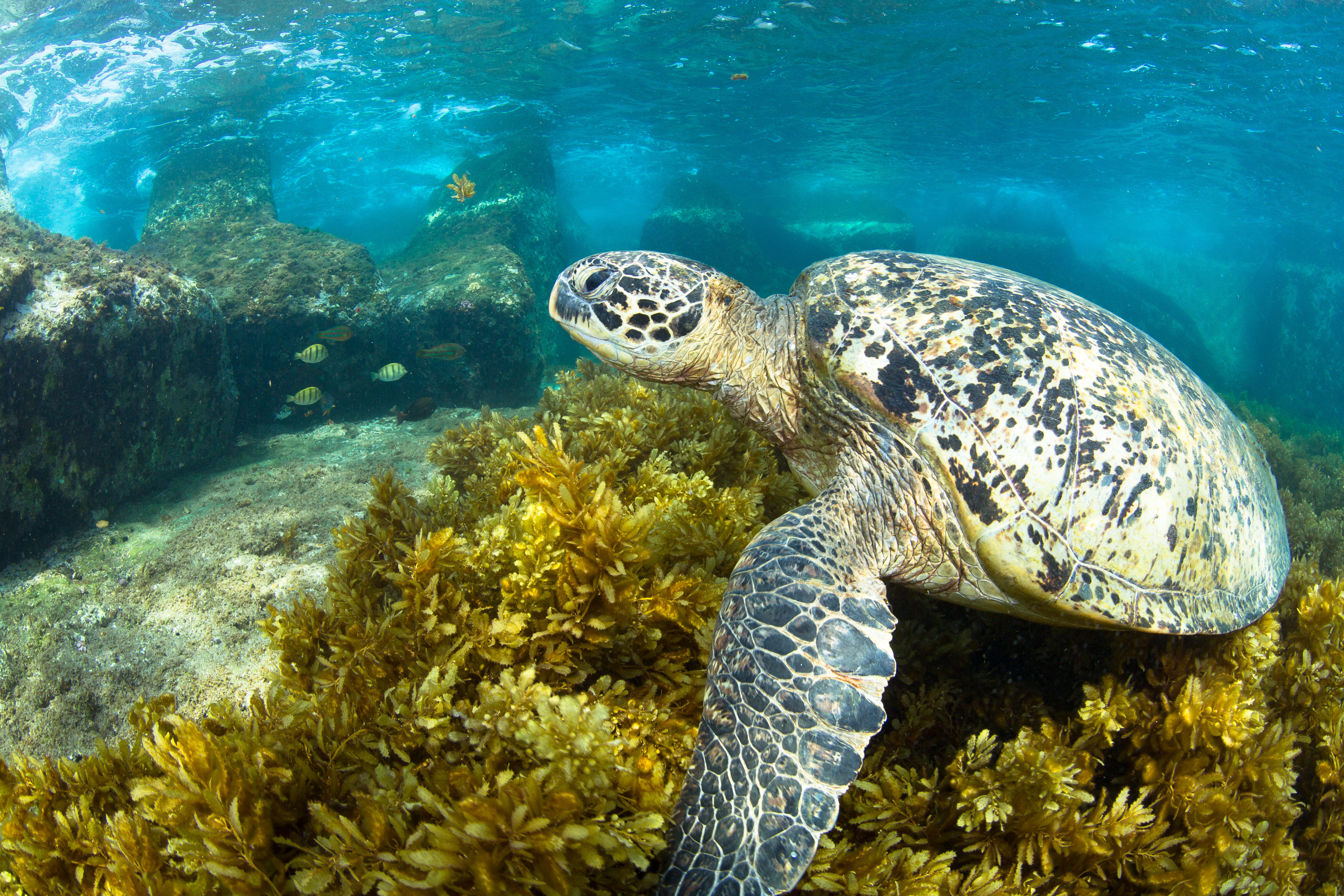
Know the Turtle
Understanding turtle features helps you take better photos for AI analysis
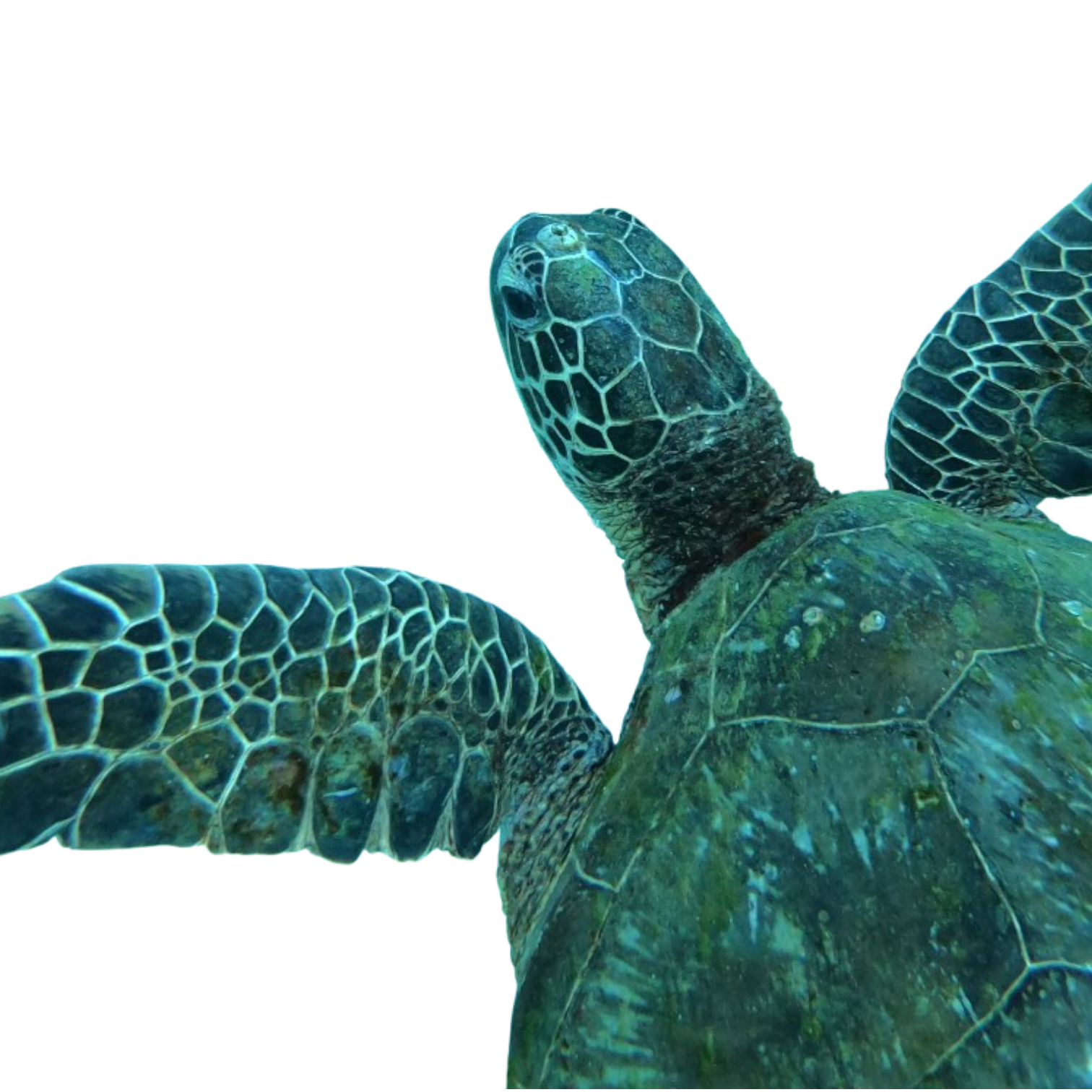
The Most IdentifiableTurtle Body Parts
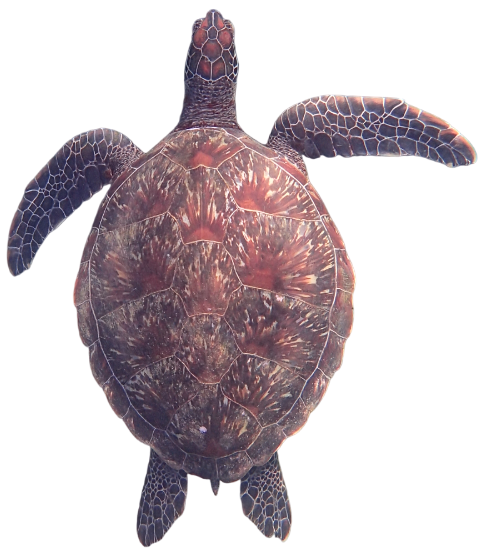
Facial scales are key for individual identification; Carapace shape and scutes help identify species; Full-body photos, flippers, and tail provide health status and sex information.
Key Parts to Photograph
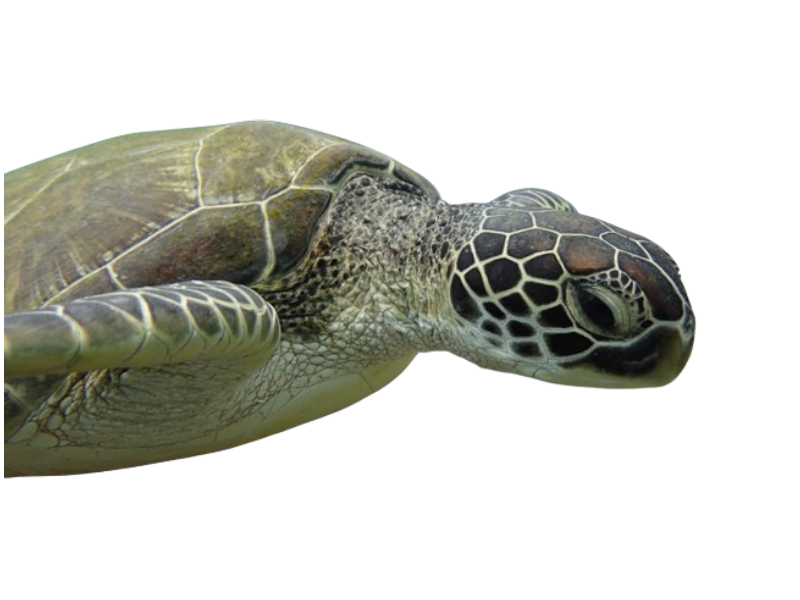
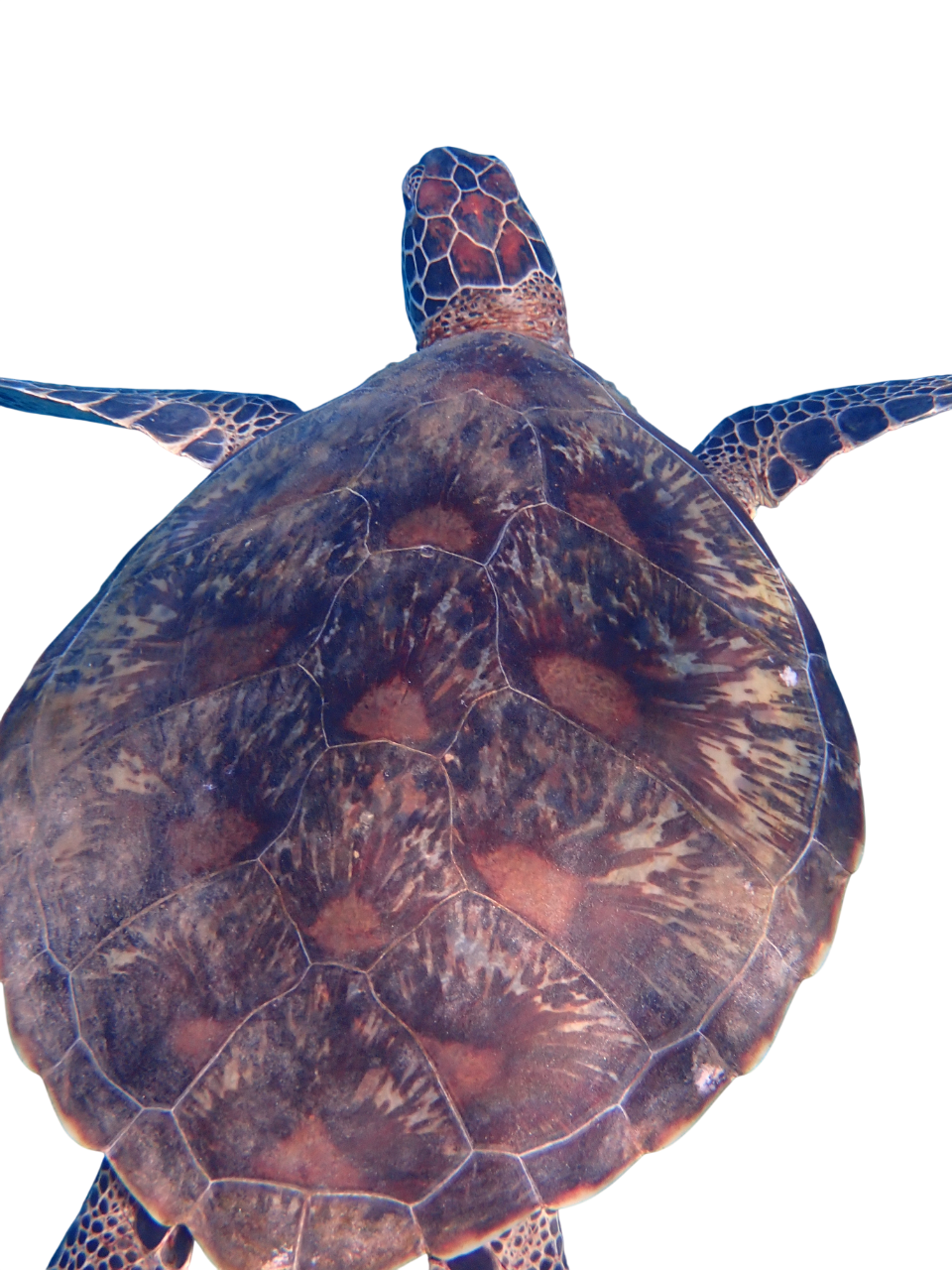
Capturing these key body parts in your photo will significantly improve identification accuracy. The face, carapace, and flippers are the three most important features.
Each turtle's facial scale pattern is like a fingerprint — unique in number and arrangement, and asymmetrical between left and right. A clear facial photo combined with database matching allows scientists to identify individuals without microchipping.
Carapace texture and color patterns help determine species and maturity. Flipper proportions and wear patterns reflect activity behavior. Combining all three features significantly boosts identification accuracy.
How It Works
Three simple steps to identify a sea turtle
Photograph the Turtle
Use a phone or camera to take a clear photo of the sea turtle. Capture the face, carapace, and flippers for the best identification results.
Upload & Fill in Details
Upload the photo to the platform and mark the location, time, and environmental conditions of the sighting.
Get Identification Results
The AI system will automatically analyze the features and return a detailed report including species, health status, and more.
Sea Turtle Species
Explore the 5 species commonly found in Taiwan's surrounding waters.
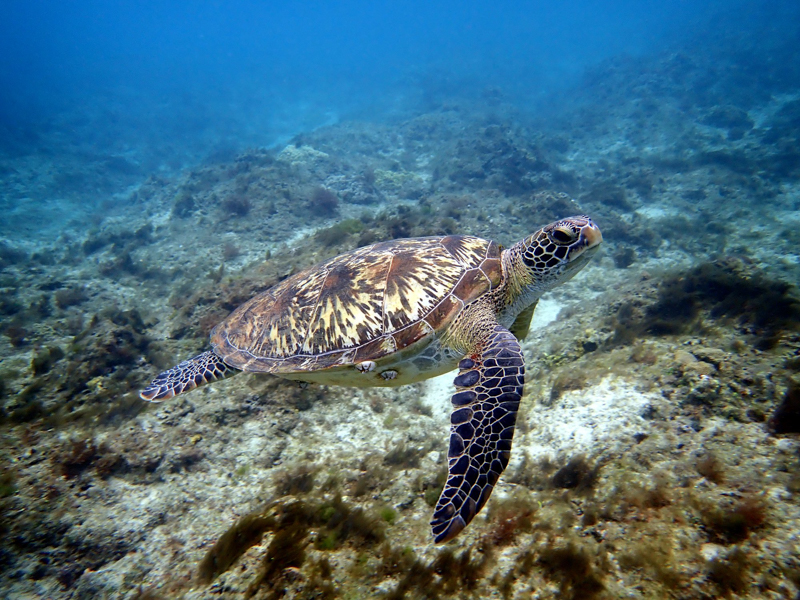
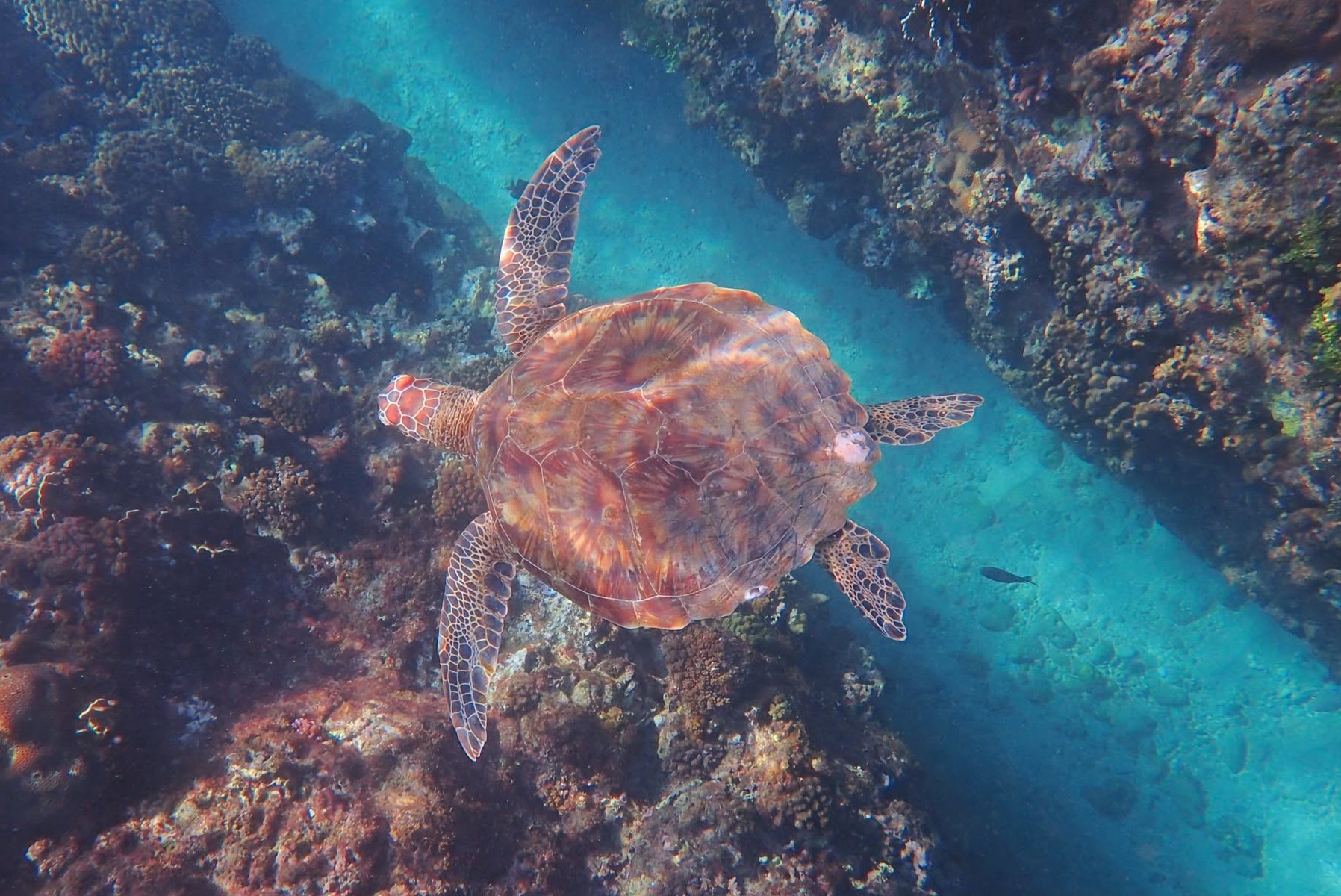
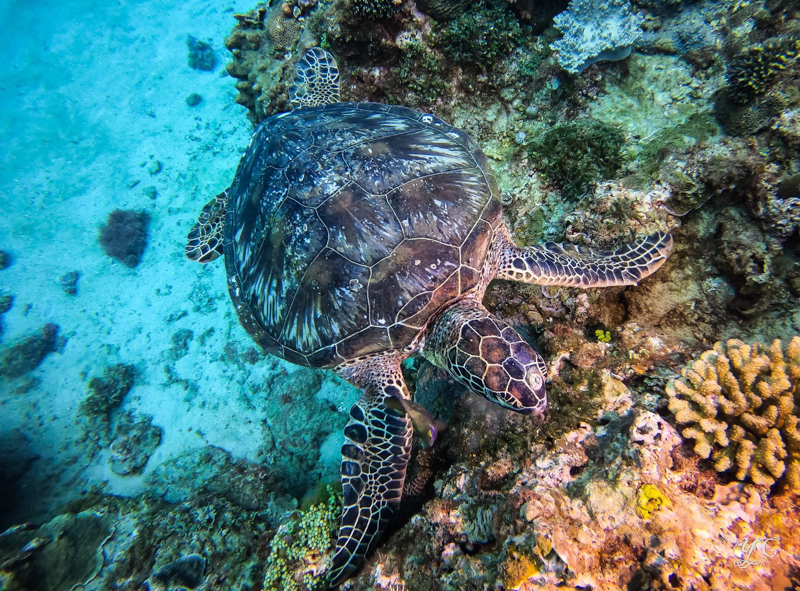
Green Turtle (Chelonia mydas)
The green turtle is the most common sea turtle in Taiwan. Named for the greenish fat inside its body from its diet of seagrasses and algae. It has an oval carapace with serrated jaws. Adults grow 90–125 cm in carapace length and show high site fidelity.
Events
Join sea turtle conservation activities and help protect our ocean ecosystem
No events available at this time
Start Your Turtle Identification Journey
Join our marine conservation effort. In just a few simple steps, you can become a citizen scientist and contribute to sea turtle protection.